

A Wedding-Day Timeline That Doesn’t Feel Rushed | Baton Rouge Photographer
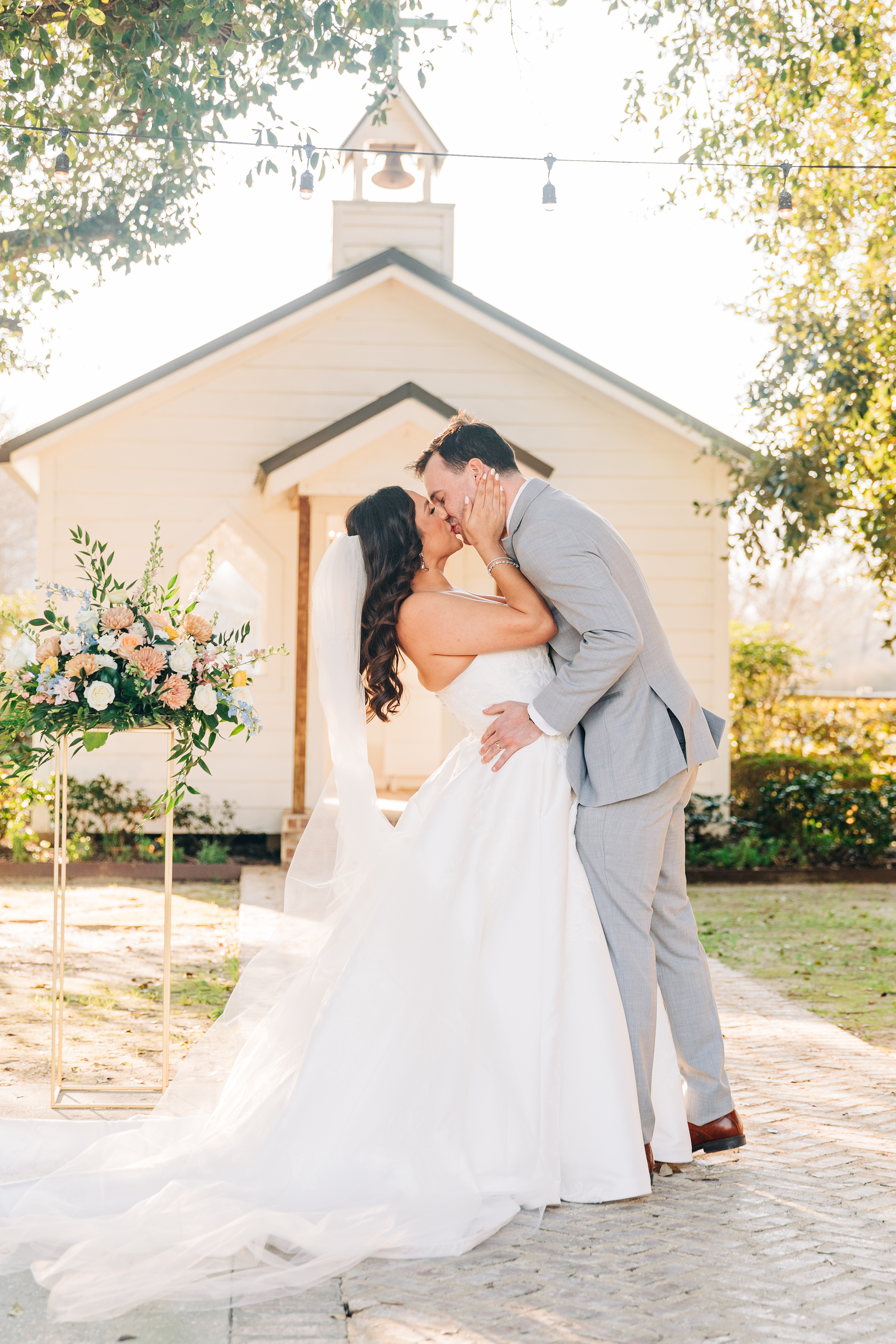
A beautiful wedding day does not need to feel like a perfectly timed production.
The best wedding days have space for the real moments: your mom seeing you in your dress, a quiet breath before the ceremony, hugs with the people you love, a few unplanned laughs, and time to actually enjoy the celebration you spent so long planning.
A thoughtful timeline is one of the biggest ways to protect that feeling.
As a Baton Rouge wedding photographer, I always encourage couples to plan for more than just the bare minimum. Louisiana weddings often include larger bridal parties, church ceremonies, family-focused traditions, warm weather, and busy receptions—so giving yourself a little extra room can make the entire day feel calmer.
Here is how to build a wedding-day timeline that feels beautiful, relaxed, and realistic.
Start With the Moments That Matter Most to You
Before choosing exact times, think about what you want your wedding day to feel like.
Maybe you want a slow, joyful morning with your bridesmaids. Maybe you care most about attending cocktail hour. Maybe you have always dreamed of seeing your fiancé for the first time at the ceremony. Or maybe sunset portraits are a non-negotiable.
There is no single “right” wedding timeline. The best one is built around your priorities.
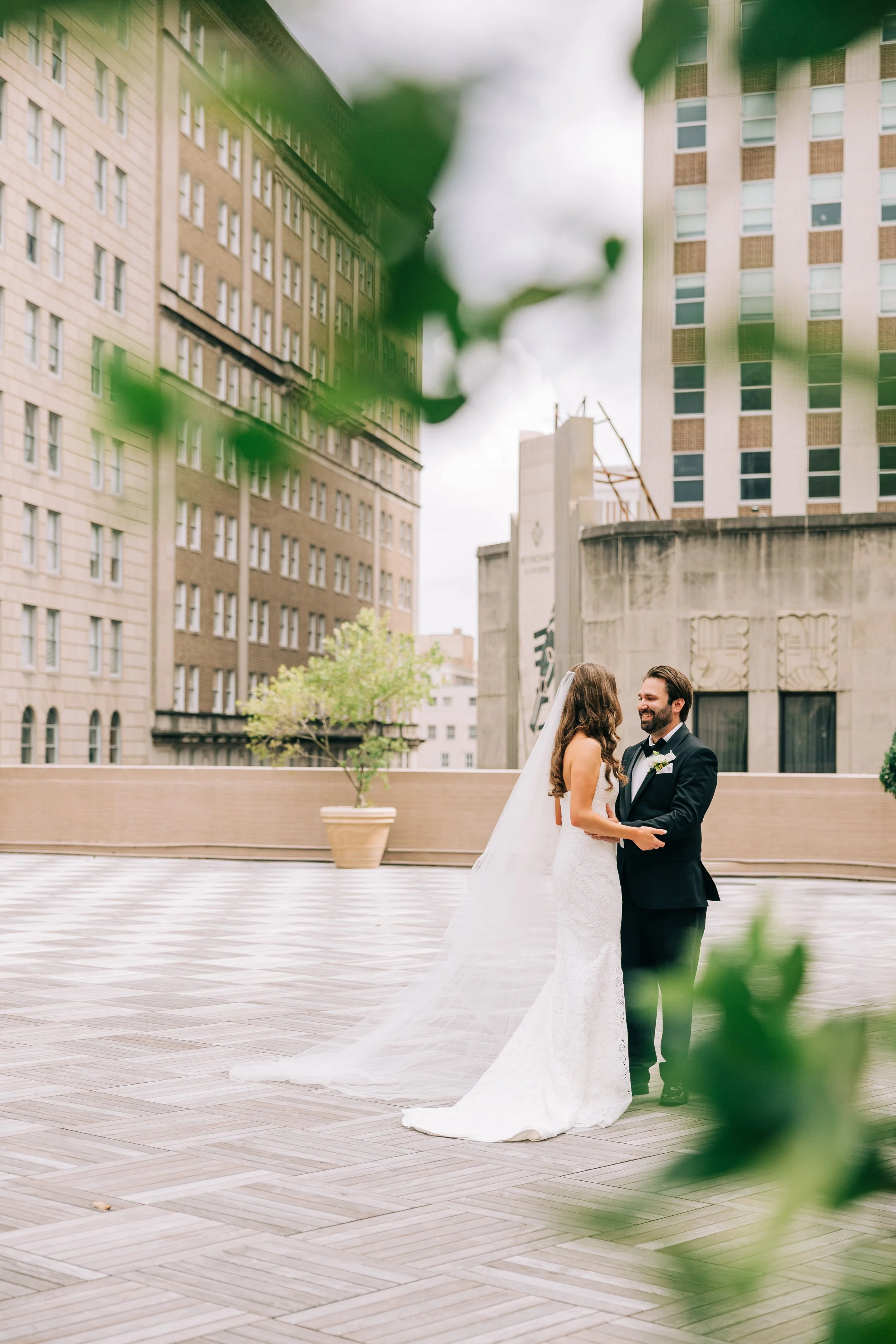
A few questions to consider:
Do you want getting-ready photos with your mom, sisters, or bridesmaids?
Are you planning a first look, first touch, or traditional ceremony entrance?
Is attending cocktail hour important to you?
Do you want to take most family photos before or after the ceremony?
Are you having a large wedding party?
Is there travel time between your getting-ready location, ceremony, and reception?
Do you want sunset portraits?
Are you planning a grand exit, second line, or private last dance?
Once you know what matters most, the rest of the timeline becomes much easier to build.
Build in More Time for Hair and Makeup Than You Think You Need
Hair and makeup is one of the most common places a wedding morning gets behind schedule.
With one hairstylist and one makeup artist, a bride plus five bridesmaids will typically need around five to six hours total for hair and makeup, especially when you include the bride’s longer appointment and a little buffer.
The bride should usually be finished last, or very close to last. That keeps her hair and makeup fresh for photos and means she is not sitting around in her finished look for hours before getting dressed.
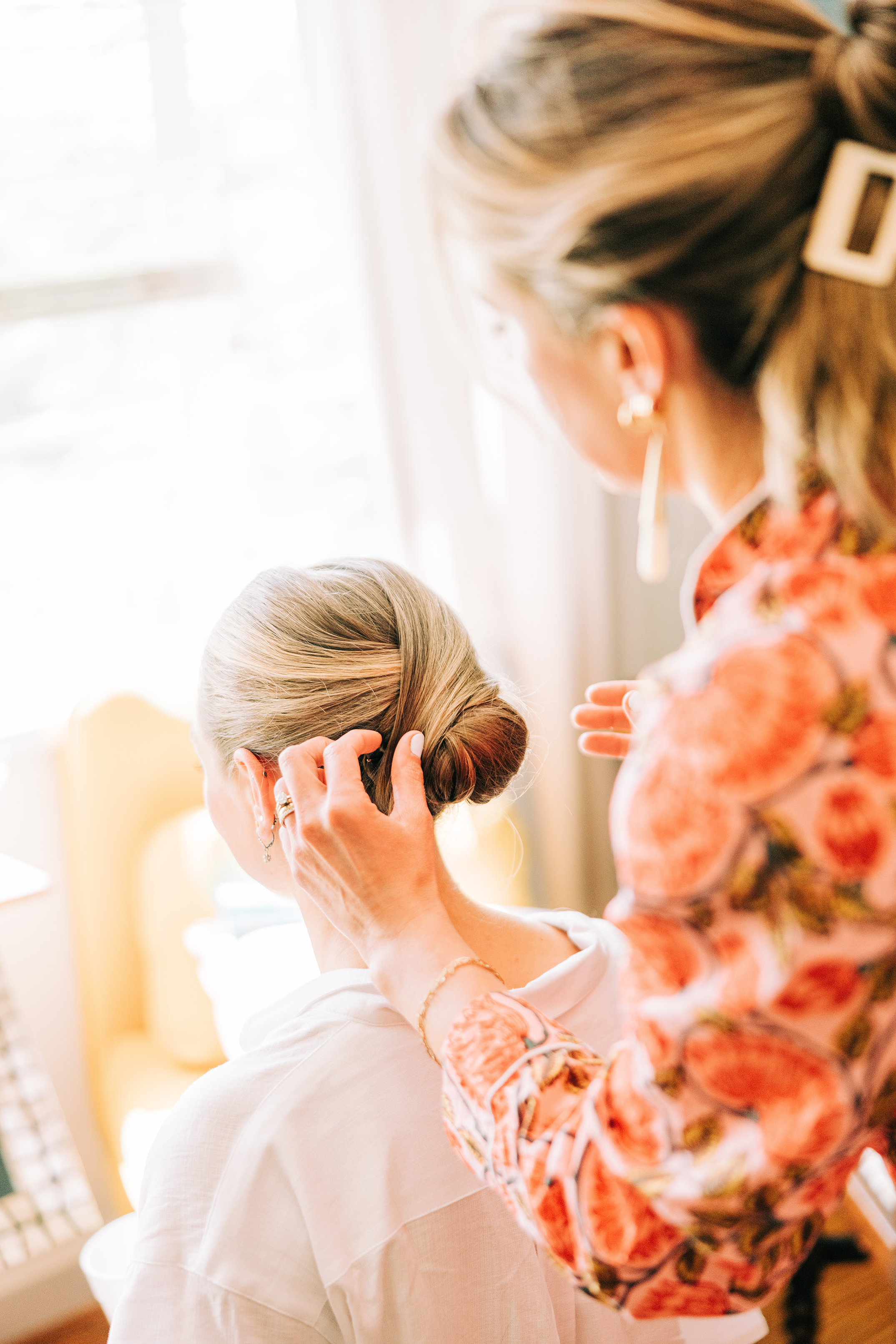
A few helpful tips:
Ask your hair and makeup team for a realistic schedule based on your bridal-party size.
Build in at least 30 minutes of buffer time.
Have bridesmaids arrive with clean, dry hair unless their stylist says otherwise.
Make sure the bride is ready to get dressed about 45–60 minutes before she needs to leave for a first look or ceremony.
Have your mom, sisters, and anyone helping you into your dress mostly ready before you begin getting dressed.
That last point makes a big difference in photos. You want the people closest to you to look and feel ready when they are helping with those special moments.
Choose a Getting-Ready Space With Room to Breathe
Your getting-ready location affects both your experience and your photos.
Look for a space with natural window light, neutral or uncluttered walls, enough room for hair and makeup, and a place to hang your dress. You do not need a completely spotless room, but taking a few minutes to clear away bags, snack wrappers, water bottles, and extra clothing makes a noticeable difference.
For Baton Rouge weddings, this may be a bridal suite at your venue, a hotel suite, an Airbnb, or a family home. Wherever you choose, make sure it is large enough for your wedding party without everyone feeling cramped.
A calm environment creates calmer photos—and a calmer bride.
Give Yourself Time for Details and Getting Dressed
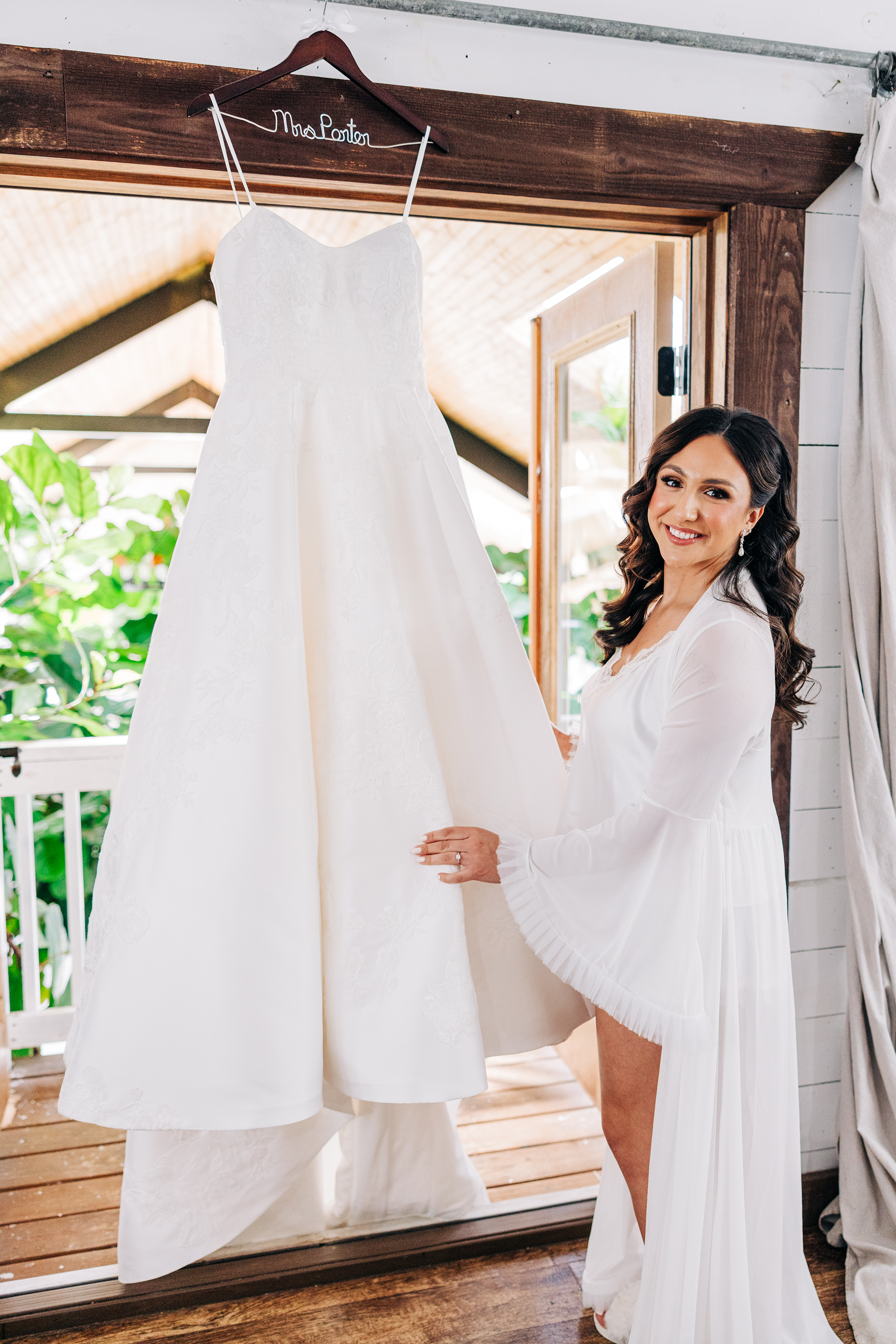
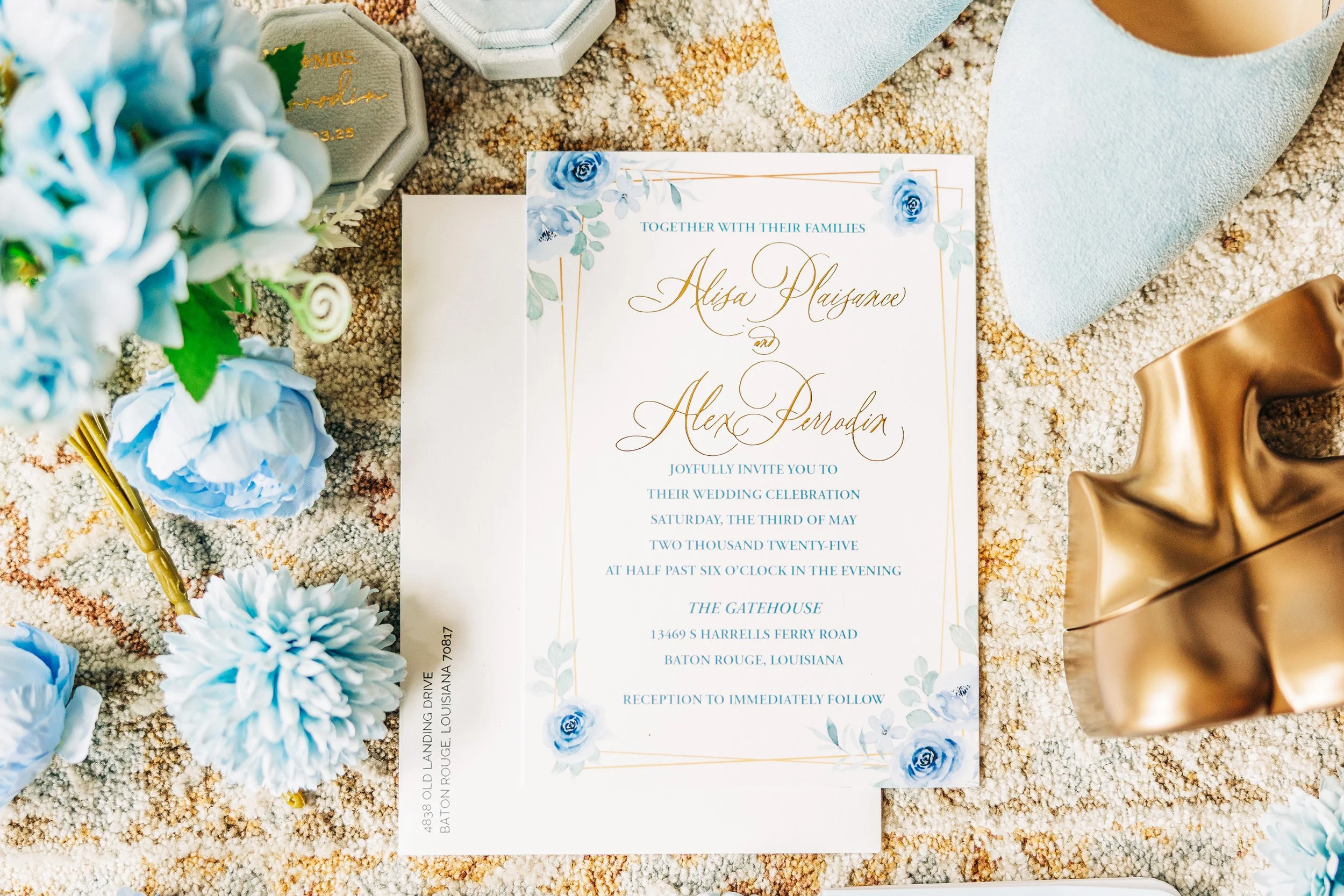
Wedding-day detail photos are more than just pretty flat lays. They tell the story of the pieces you chose so intentionally: your invitations, rings, perfume, jewelry, shoes, veil, bouquet, and family heirlooms.
I recommend setting aside your wedding details in one box or bag before the morning begins. That way, your photographer can start photographing them as soon as they arrive while you continue getting ready.
Plan approximately:
30–45 minutes for details
20–30 minutes for getting dressed
10–15 minutes for a bridal reveal with parents, bridesmaids, or loved ones
10–15 minutes for a few individual bridal portraits
Getting dressed often takes longer than expected, especially with a detailed gown, veil, jewelry, shoes, and a room full of people wanting to be part of the moment. Let it be slow. Those are often some of the sweetest photos of the day.
Decide Between a First Look, First Touch, or Traditional Ceremony Reveal
This decision has one of the biggest effects on your wedding-day timeline.
A First Look
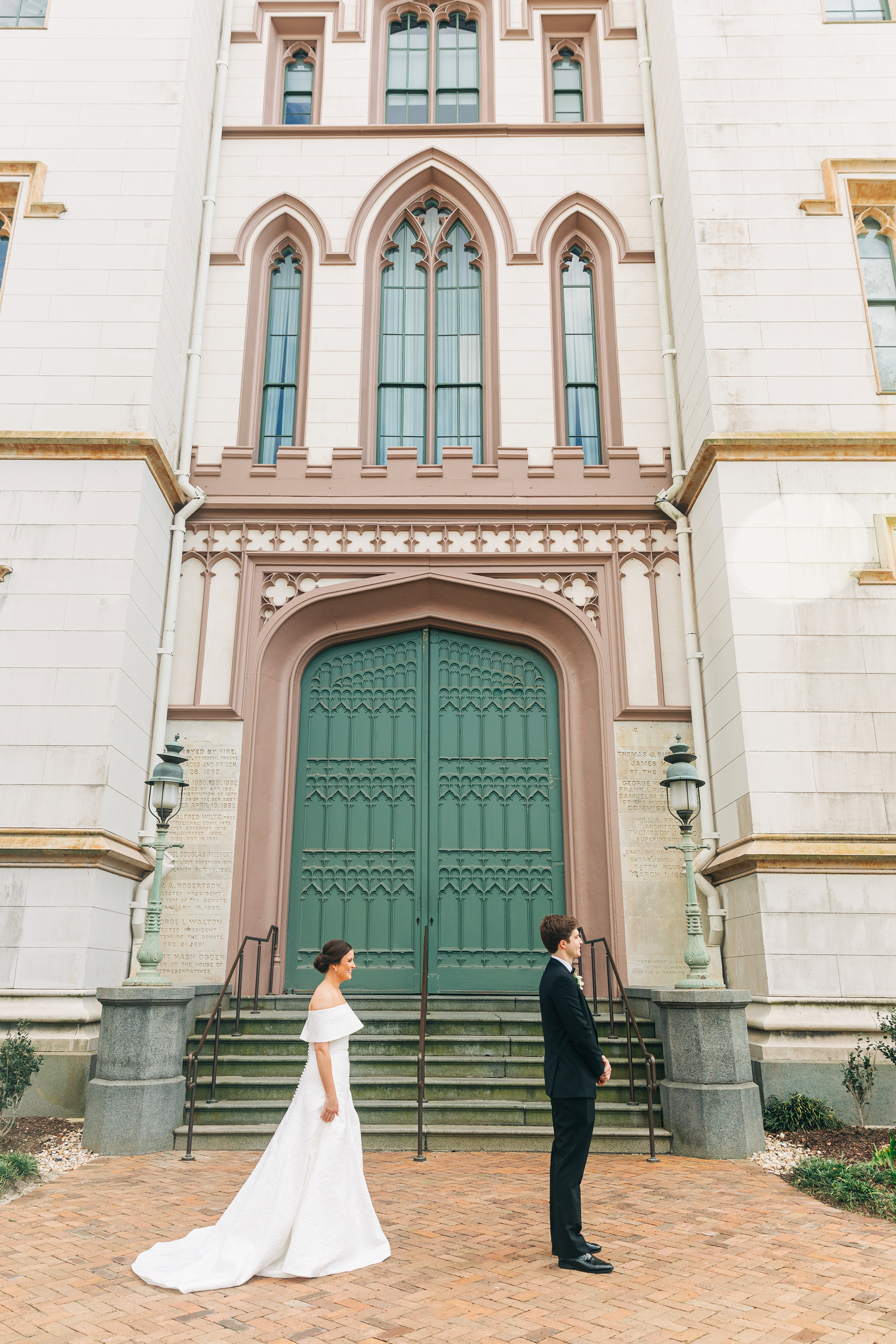
A first look gives you a private moment together before the ceremony. Afterward, you can usually take couple portraits, wedding-party photos, and sometimes family photos before guests arrive.
This is often the best option for couples who want to attend cocktail hour, enjoy more of their reception, and keep the post-ceremony schedule relaxed.
A First Touch
A first touch is a beautiful in-between option. You can stand around a corner, on opposite sides of a door, or back-to-back without seeing each other. You can hold hands, exchange letters, pray together, or simply have a quiet moment before the ceremony.
A first touch preserves the aisle reveal, but it does not provide the same portrait-time flexibility as a first look. Most couple portraits will still need to happen after the ceremony.
No First Look
Waiting to see each other at the ceremony can be incredibly meaningful. It just requires a more intentional post-ceremony timeline.
Without a first look, plan for about 60–90 minutes after the ceremony for family photos, wedding-party portraits, and couple portraits. You may miss some or all of cocktail hour, depending on your family-photo list and the locations involved.
None of these options are wrong. The goal is simply to choose what feels most like you—and make sure the timeline supports it.
Keep Family Photos Simple and Organized
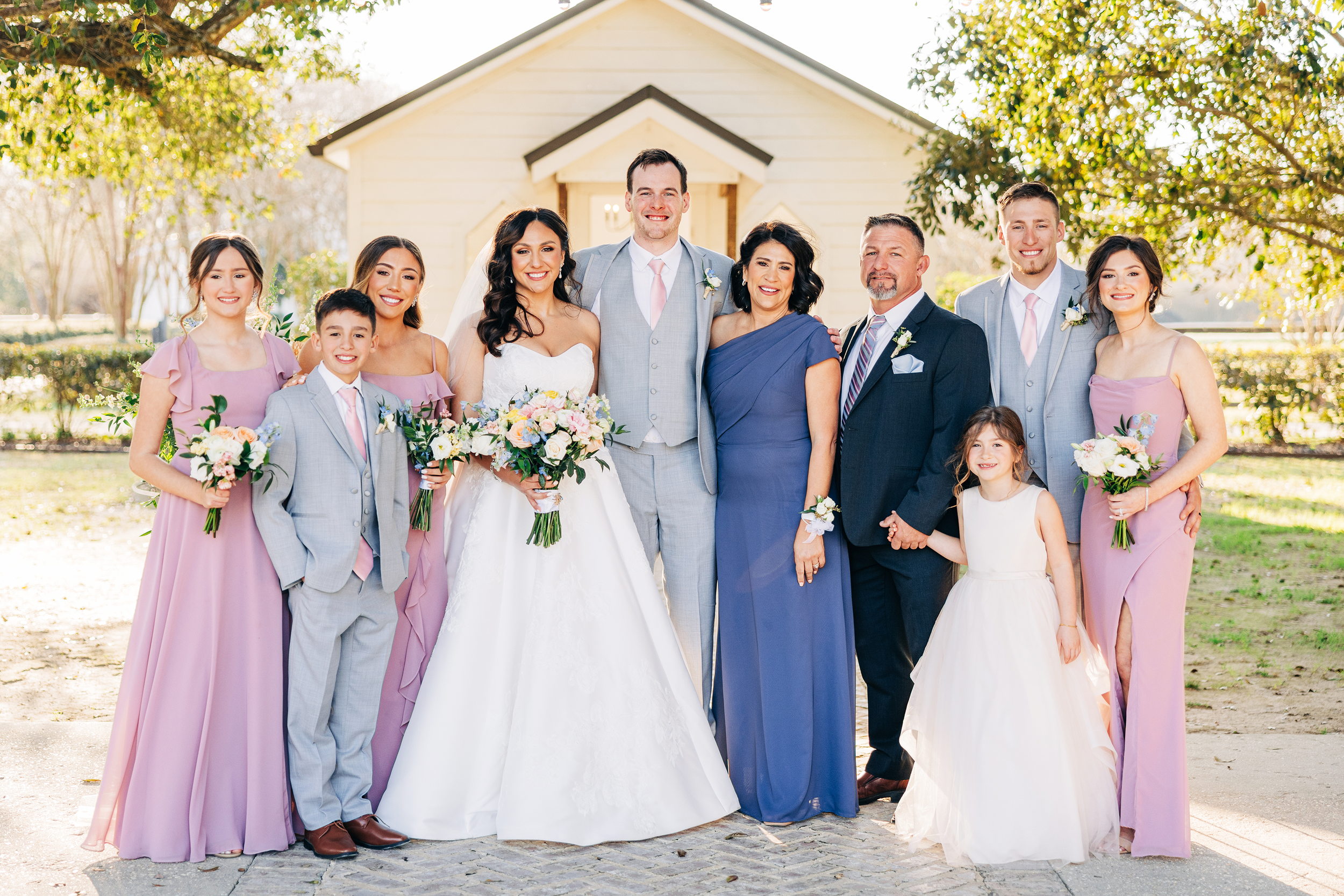
Family photos do not have to take forever, but they do need a plan.
Start by making a short list of the combinations that matter most to you. Think about the photos you will want to frame, print, and look back on years from now.
Then choose one person from each side of the family who knows everyone and can help gather people quickly. This is especially helpful after the ceremony, when guests naturally want to visit, head to cocktail hour, or disappear to the bar.
For most weddings, plan around:
20–30 minutes for immediate family photos
More time if you have a large extended-family list
A few extra minutes for older relatives, young children, or family members who may need help getting to the photo location
Keeping the list intentional lets you get the meaningful photos without spending your entire cocktail hour in formal portraits.
Leave Room for Travel, Weather, and the Unexpected
Baton Rouge weddings often involve more than one location: a hotel or home for getting ready, a church ceremony, a venue reception, and possibly a separate portrait location.
Travel time matters.
Do not schedule everything down to the minute. Add extra room for loading cars, traffic, parking, bathroom breaks, bouquet delivery, dress adjustments, weather changes, and the unexpected little things that happen on almost every wedding day.
For an outdoor Louisiana wedding, it is also wise to think about heat, humidity, and rain. A flexible backup plan and a little extra time can protect the experience when weather changes quickly.
Your timeline should feel like a guide—not a countdown clock.
Plan for Sunset Portraits
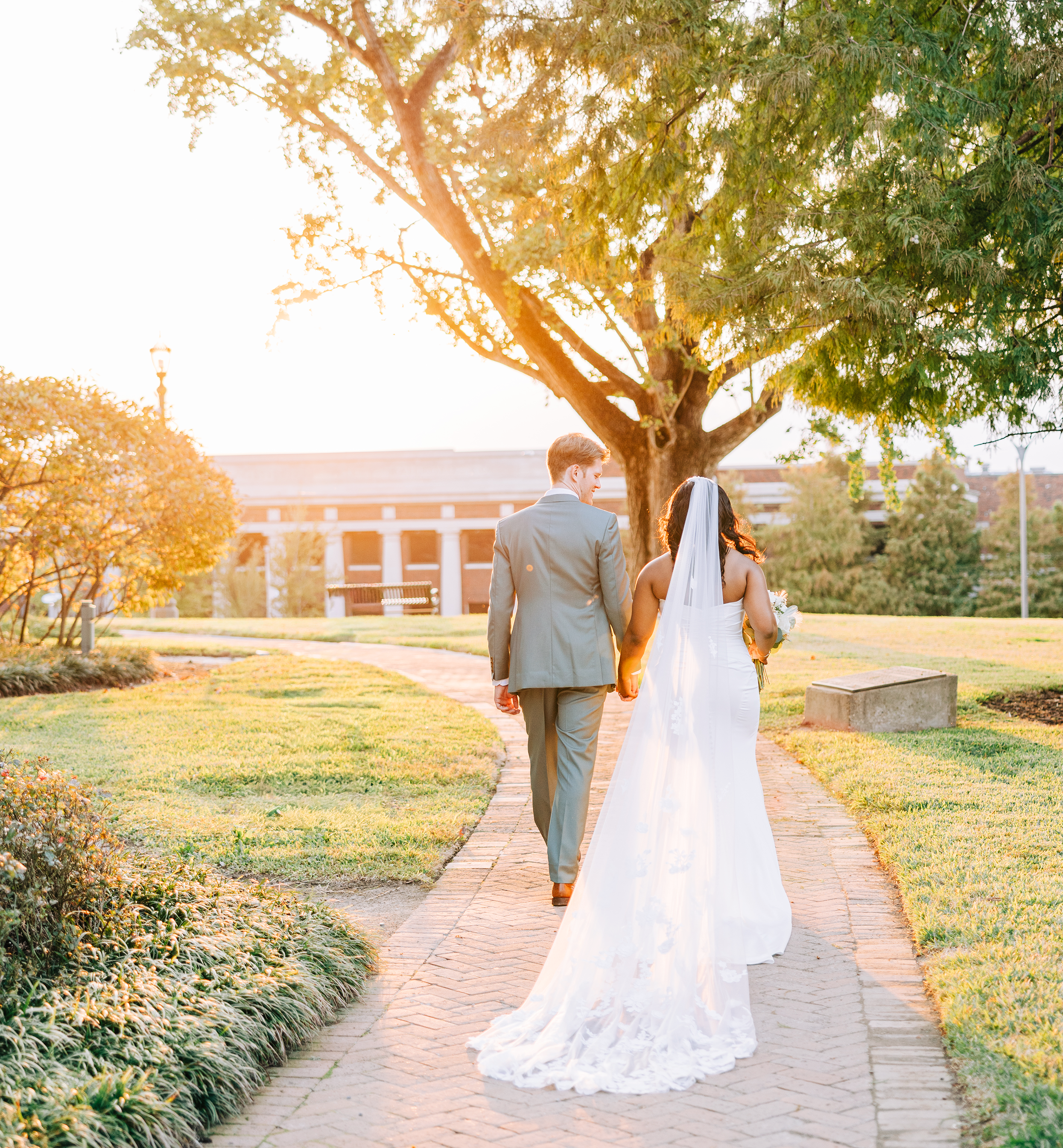
Sunset portraits are some of the most romantic images from a wedding day. The light is softer, the day has slowed down, and you are finally married.
You do not need to disappear for an hour. Usually, 10–15 minutes is enough.
I recommend planning a quick sunset break about 30–45 minutes before sunset, depending on your venue and the available light. It gives you a small pause together during the reception—and often creates some of your favorite images from the entire day.
Let your planner, DJ, and photographer know ahead of time so the timing can work around dinner, toasts, and special dances.
Sample 8-Hour Timeline With a First Look
Here is an example of how an eight-hour wedding day might flow with a first look:
1:00 p.m. — Photography begins; details and getting-ready photos
1:45 p.m. — Bride gets dressed
2:15 p.m. — Bridal portraits and first look
2:30 p.m. — Couple portraits
3:15 p.m. — Wedding-party photos
3:45 p.m. — Family photos
4:30 p.m. — Hide away, touch up, and relax
5:30 p.m. — Ceremony
6:00 p.m. — Just-married portraits
6:30 p.m. — Reception entrances
7:00 p.m. — First dance, parent dances & toasts
7:30 p.m. — Dinner and candid guest photos
8:15 p.m. — Cake cutting and dance floor
8:40 p.m. — Sunset portraits
9:00 p.m. — Grand Exit, Photography ends
This option gives you a smoother day and allows you to enjoy more time with your guests.
Sample 8-Hour Timeline Without a First Look
Here is an example for couples who want to wait until the ceremony to see each other:
1:30 p.m. — Photography begins; details and getting-ready photos
2:15 p.m. — Bride gets dressed
2:45 p.m. — Bridal portraits, bridesmaid photos, and individual groom photos
4:00 p.m. — Travel / get ready for ceremony
5:30 p.m. — Ceremony
6:00 p.m. — Family photos
6:25 p.m. — Wedding-party photos
6:45 p.m. — Couple portraits
7:20 p.m. — Reception entrances
7:45 p.m. — First dance, parent dances, and toasts
8:15 p.m. — Dinner and candid guest photos
8:45 p.m. — Cake cutting and dance floor
9:15 p.m. — Sunset portraits, if timing allows
9:30 p.m. — Photography coverage ends
This can still be beautiful and relaxed, but the post-ceremony portrait window needs to be protected.
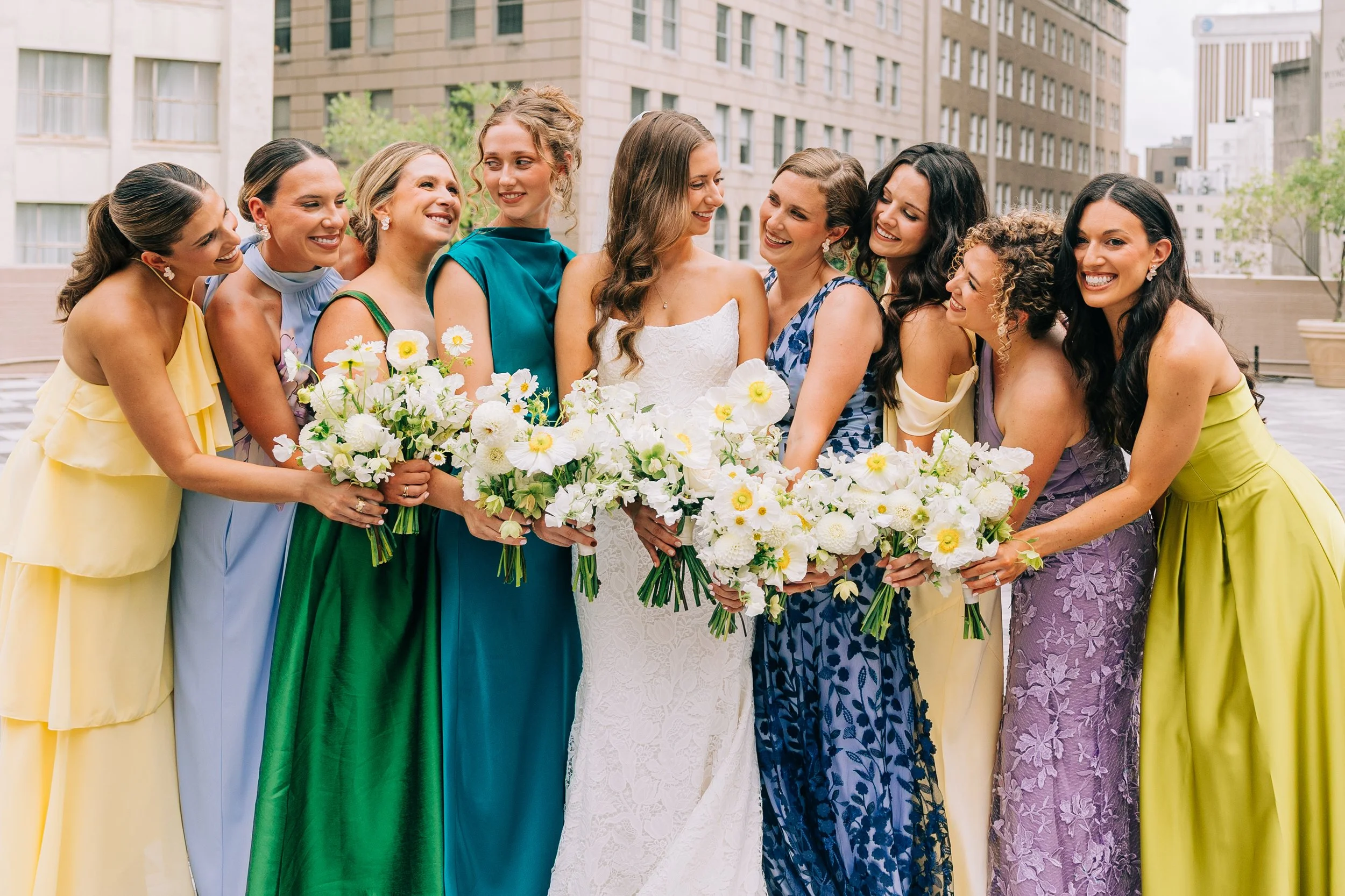
The Best Timelines Have Breathing Room
The most important thing you can give yourself is a little extra space.
Add time for hugs. Add time for the dress zipper that takes longer than expected. Add time to sit down, drink water, and take in what is happening. Add time for your photographer to capture the moments you did not know to plan for.
Your wedding day will move quickly no matter what. A thoughtful timeline gives you the chance to be present for it.
The photographs will preserve what your day looked like—but the calm, joy, and connection you felt are what will make them meaningful for years to come.
If you are planning a Baton Rouge wedding and would like help creating a photography timeline that feels beautiful, relaxed, and true to your day, I would love to hear more about what you are envisioning.
Sarah Shaw is a Baton Rouge photographer specializing in weddings, families, and seniors — drawn to natural light, genuine connection, and the quiet in-between moments that mean the most.