

How Many Hours of Wedding Photography Do You Need? | Baton Rouge Photographer
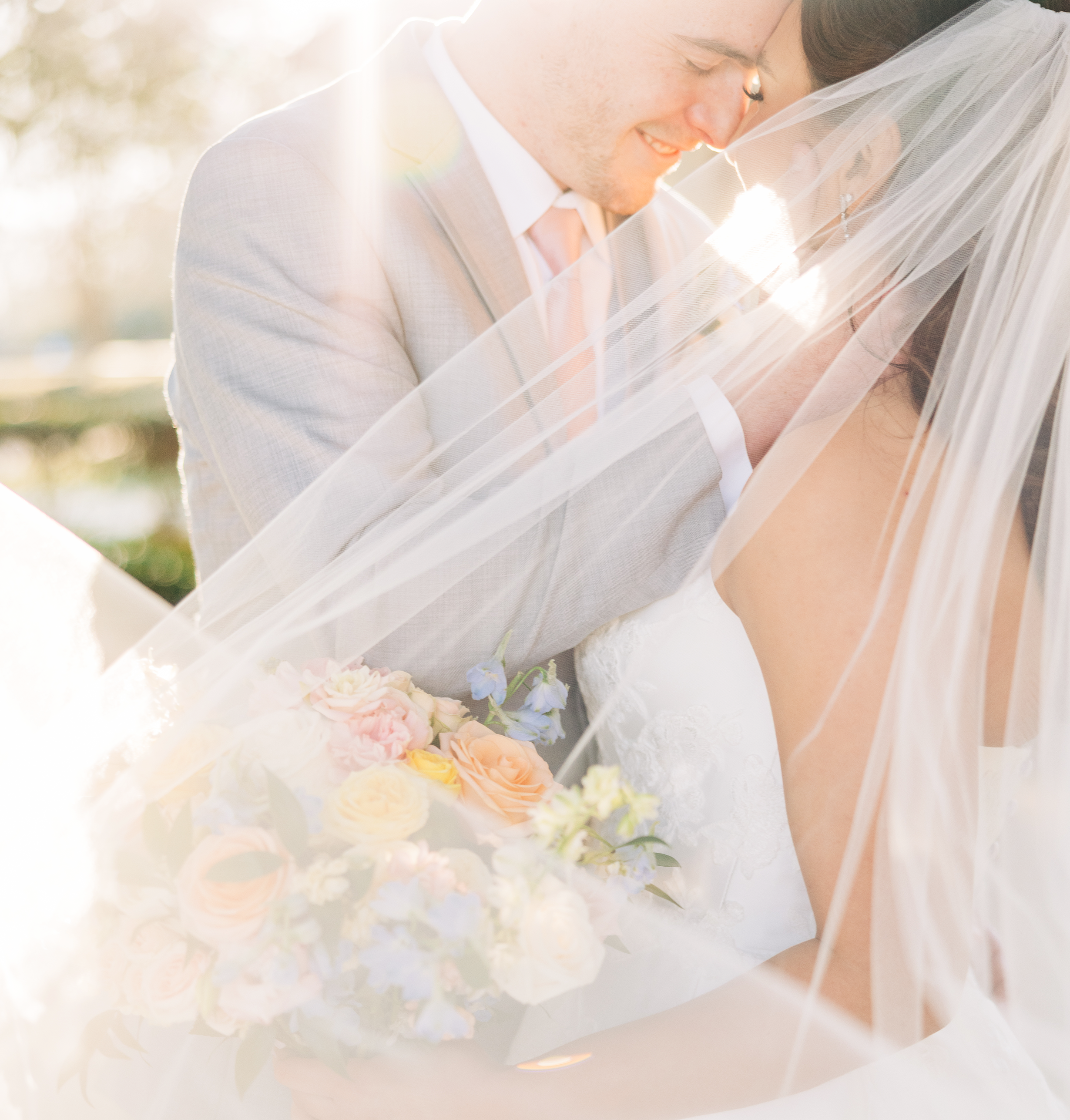
Planning your wedding photography coverage can feel surprisingly hard. You know you want the big moments photographed—the ceremony, portraits, first dance, cake cutting—but it is often the quiet, in-between moments that make a wedding gallery feel complete.
The best amount of coverage depends on the size of your wedding, how much you value getting-ready photos and reception candids, whether you are doing a first look, and how much time you want to spend enjoying the day instead of rushing through it.
For most Baton Rouge weddings, 8 hours of photography coverage is the sweet spot. It usually allows enough room for the full story of the day, from details and getting ready through the early part of the reception, without feeling overly rushed.
Here is a helpful breakdown of what different coverage lengths can look like.
Is 6 Hours of Wedding Photography Enough?
Six hours can work beautifully for a smaller wedding with a simple timeline.
This is usually a good fit when:
Your ceremony and reception are at the same venue
You are having a smaller guest count or more intimate celebration
You do not need extensive getting-ready coverage
You are doing a first look and can complete most portraits before the ceremony
You are comfortable ending photography coverage shortly after the major reception events
With six hours, you may be able to include:
A portion of getting ready
Detail photos
First look and couple portraits
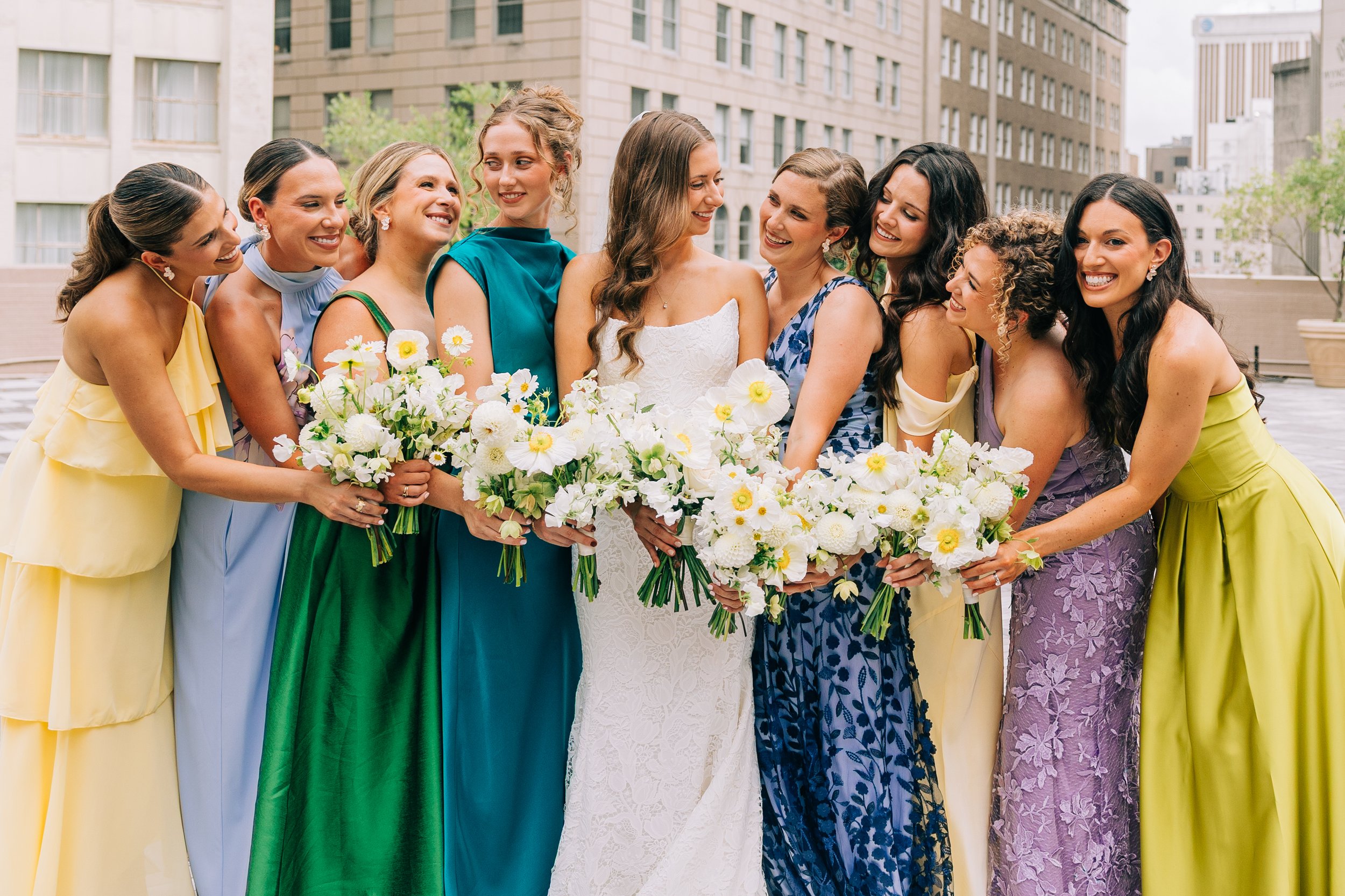
Wedding-party portraits
Family photos
Ceremony
Cocktail hour or the beginning of the reception
First dances, cake cutting, and a few reception candids
The tradeoff is that the timeline needs to stay fairly efficient. There is less room for hair and makeup delays, traffic, weather changes, large family-photo lists, or extra portrait time.
Is 8 Hours of Wedding Photography Enough?
For many couples, eight hours is the ideal amount of wedding-day coverage.
It gives you breathing room—which is one of the biggest gifts you can give yourself on your wedding day.
An eight-hour collection often allows for:
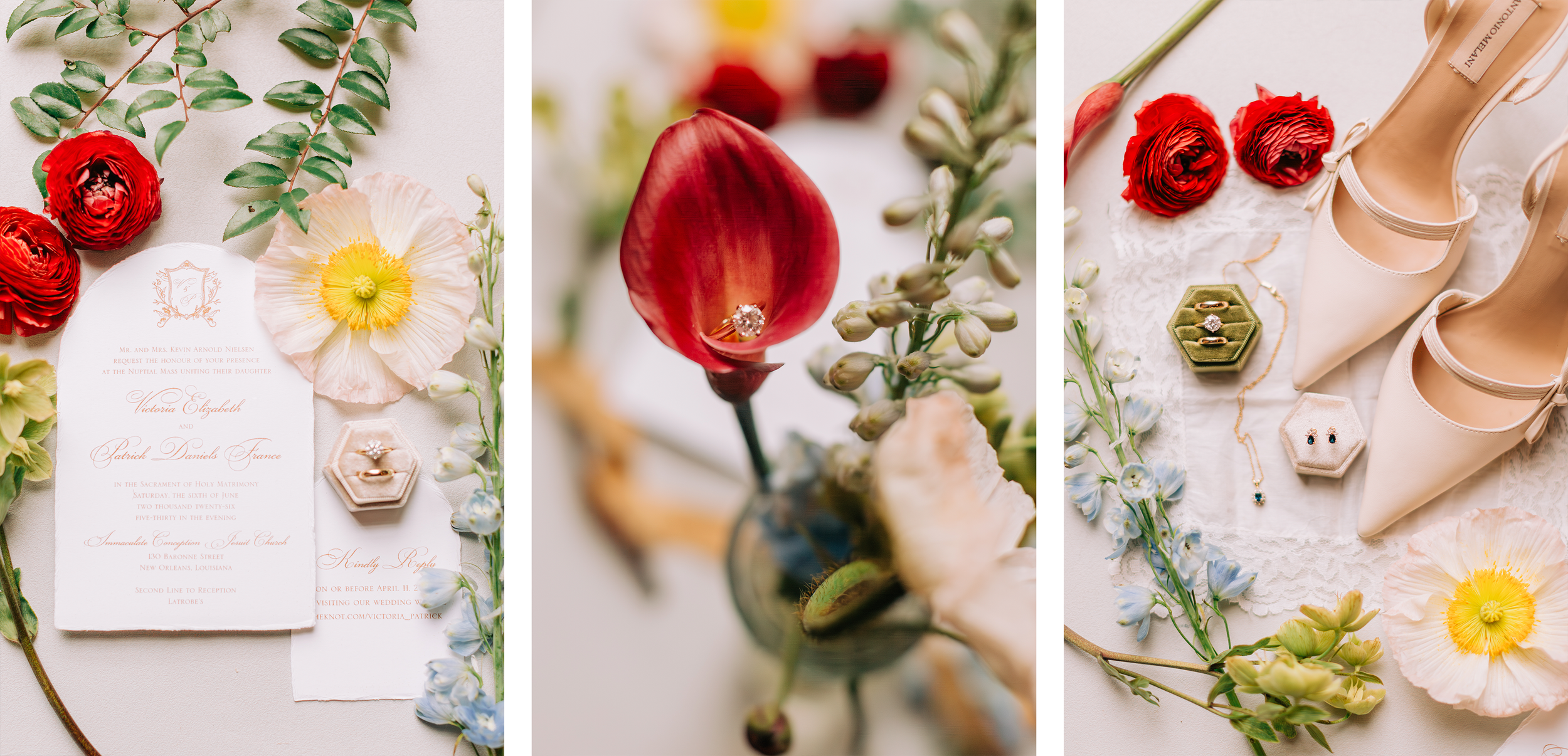
Full wedding details and invitation-suite photos
Getting-ready photos with bridesmaids, moms, and close family
Dress, veil, jewelry, shoes, bouquet, and sentimental details
A first look, if you choose one
Couple portraits
Wedding-party photos
Family photos
Your ceremony
Cocktail hour
Reception entrances, toasts, first dances, cake cutting, and open-dance-floor photos

It also gives us more flexibility if something runs late.
Hair and makeup often takes longer than expected, family members can be hard to gather, or the weather may shift your plans. Eight hours means the day can still feel relaxed even if everything does not happen perfectly on schedule.
For a typical Baton Rouge wedding with a full bridal party, family portraits, and a reception, this is usually where I encourage couples to start.
When You May Want 10 Hours of Coverage
Ten hours is wonderful for couples who want the day documented from beginning to end—or who simply do not want to watch the clock.
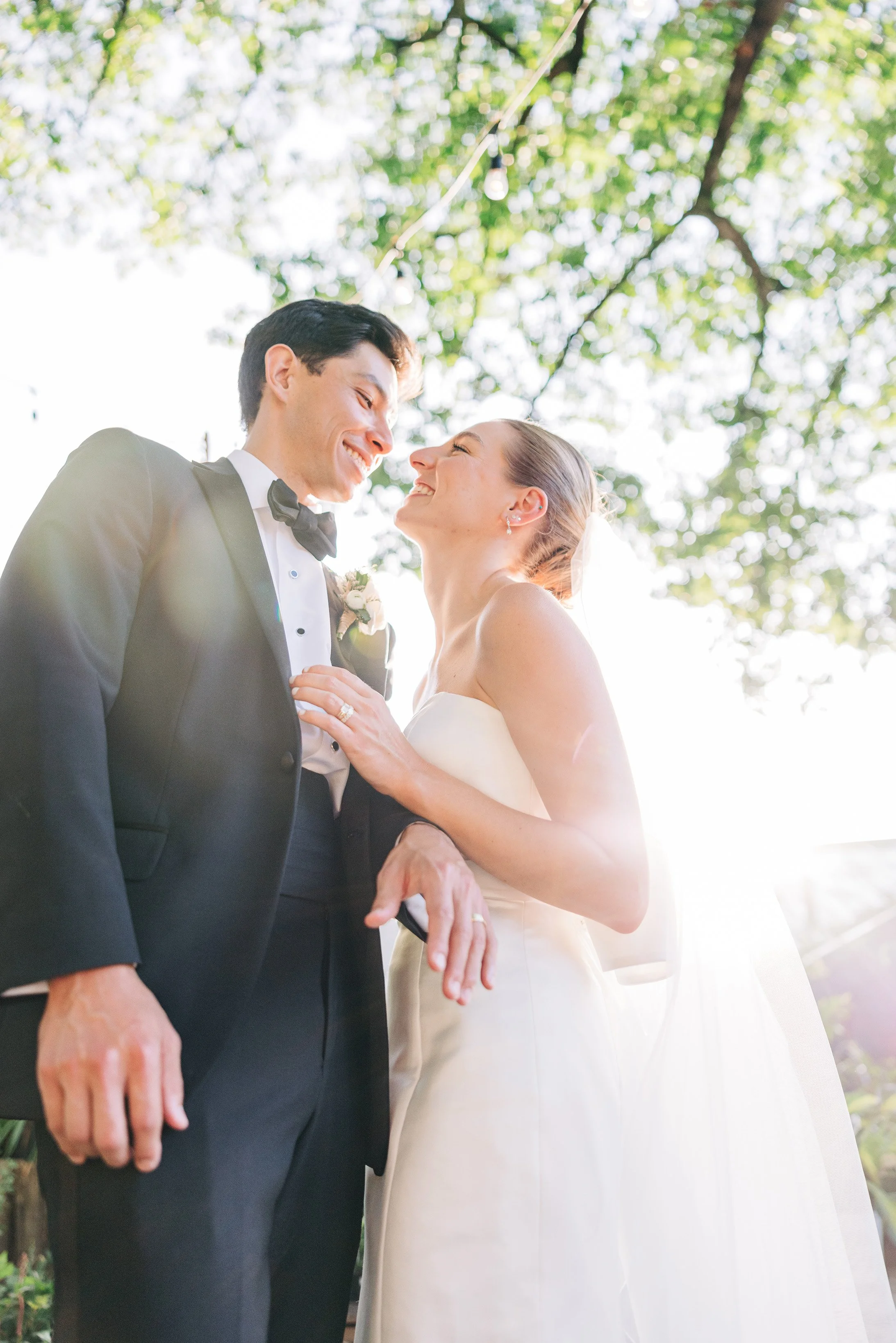
You may want 10 hours if:
You have a large wedding party or large family-photo list
Your ceremony and reception are at separate locations
You want getting-ready coverage for both partners
You are not doing a first look and want plenty of portraits after the ceremony
You have a longer Catholic ceremony or a late-afternoon church ceremony
You want to capture more of the reception, including a full dance floor, exit, or late-night celebration
You are planning a second look, outfit change, private last dance, or formal send-off
You want extra time built in for travel, weather, and unexpected delays
Ten hours is especially helpful for wedding days that begin early and end late. It allows you to enjoy the morning with your people, take your time with portraits, and still have photographs from the energy and celebration of the reception.
Do You Need Coverage Until the End of the Reception?
Not necessarily.
Most couples do not need their photographer there until the very last guest leaves. Once the major reception moments have happened—introductions, toasts, first dances, cake cutting, and some joyful dance-floor photos—you may feel like your story has been fully documented.
That said, you may want later coverage if you are planning:
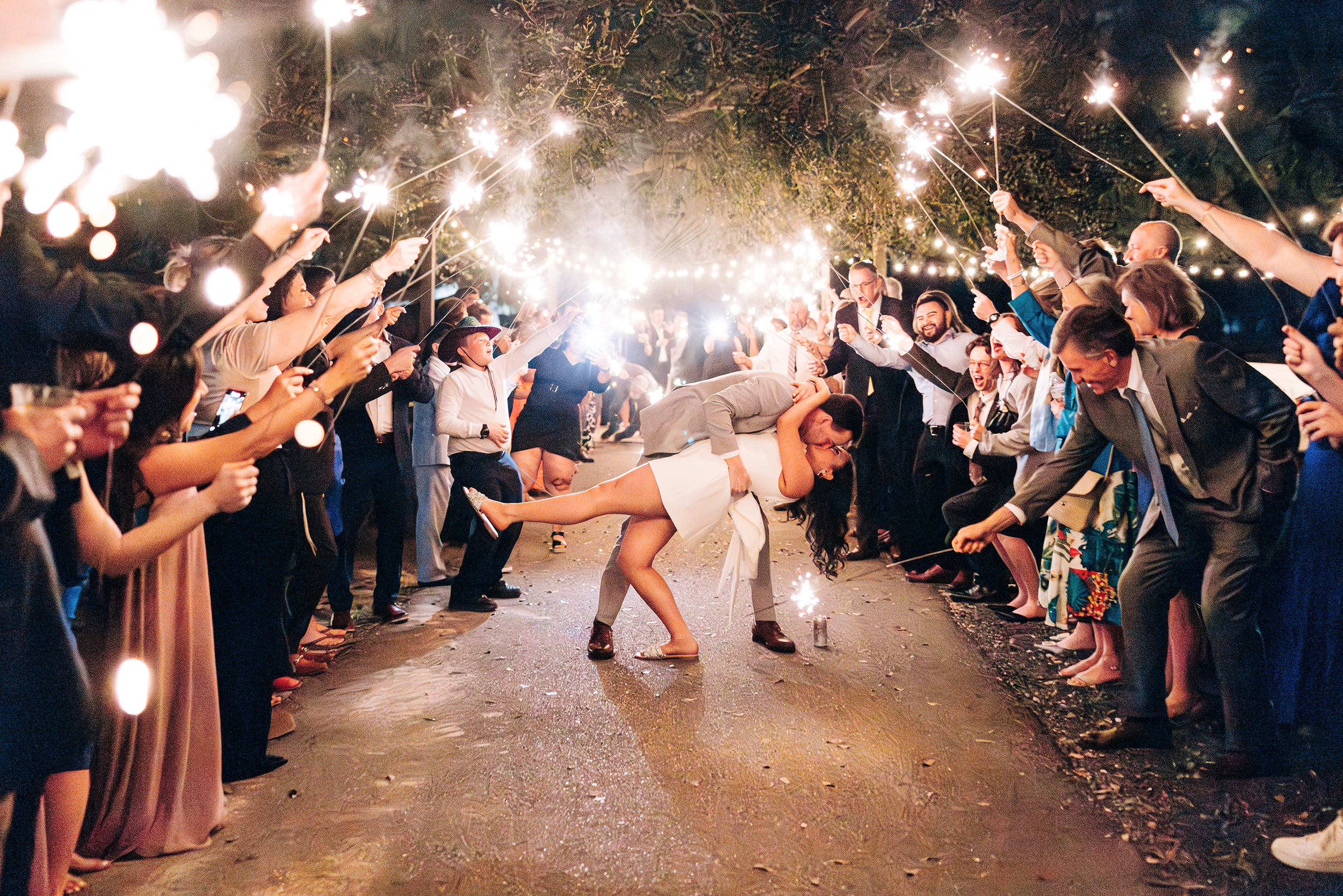
A sparkler exit
A vintage-car exit
A private last dance
A second-line celebration
A late-night outfit change
A packed dance floor that you really want captured
A meaningful send-off with all of your guests
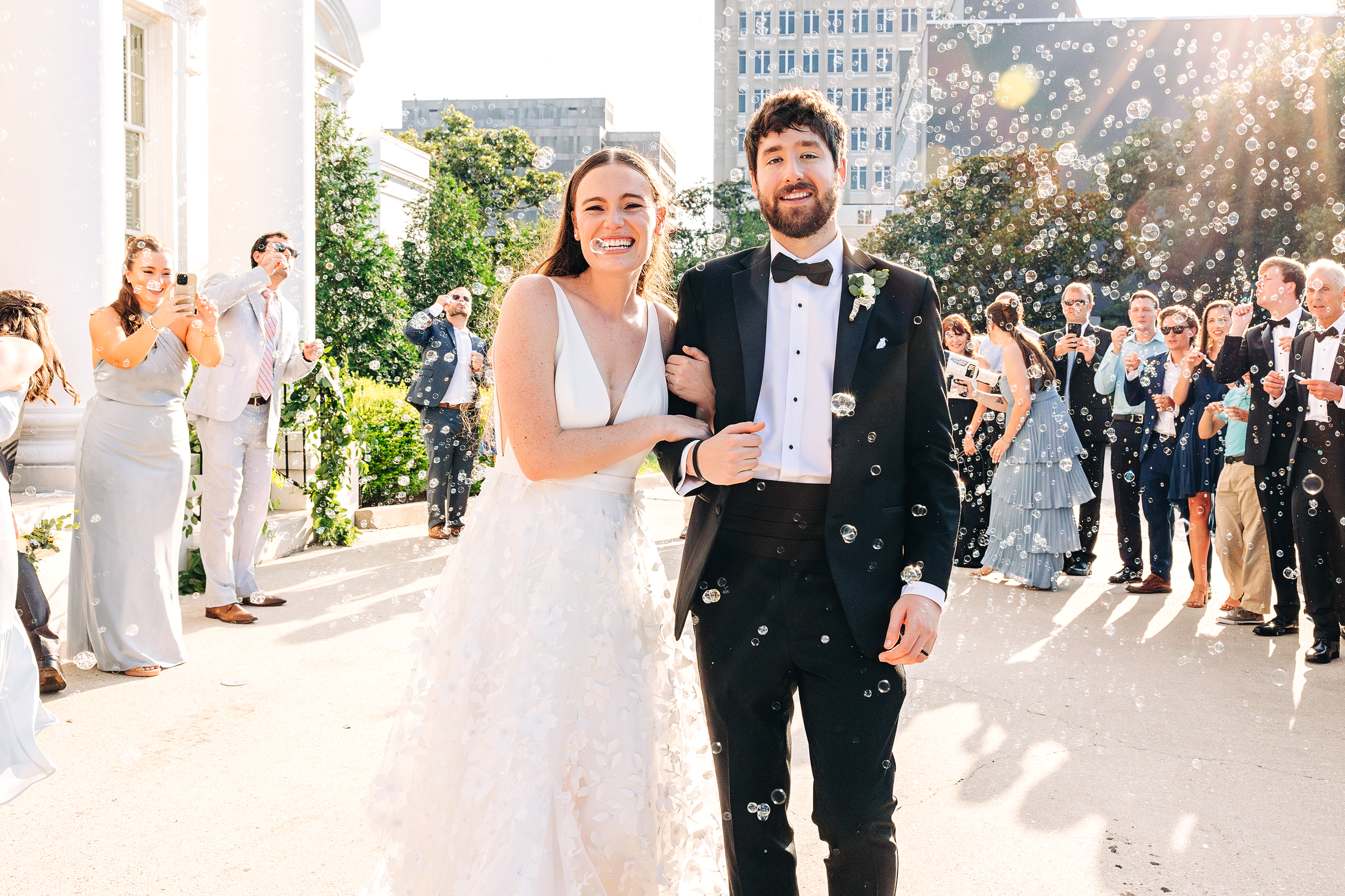
The question is less “Do I need photos for every second?” and more: What parts of the day will matter most to me when I look back?
How a First Look Can Affect Your Photography Timeline
A first look can make a major difference in how much photography coverage you need.
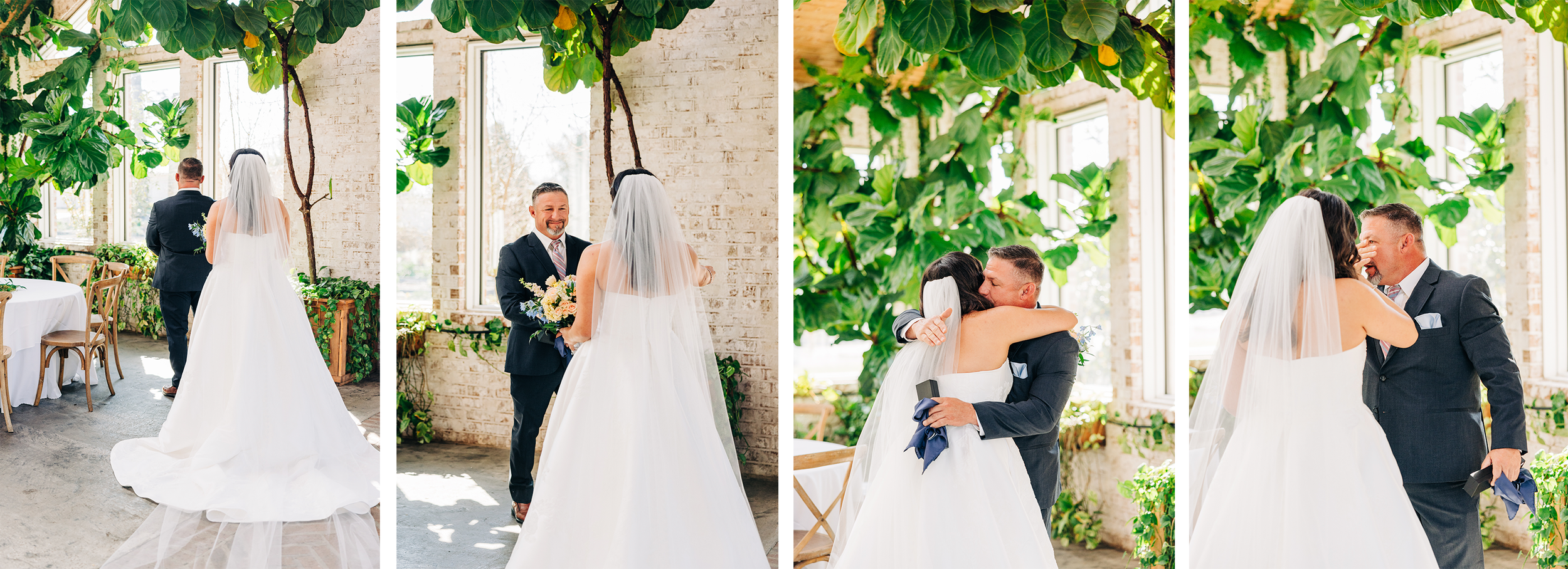
When you choose a first look, you can often complete couple portraits, wedding-party portraits, and some family photos before the ceremony. That means you get to spend more time at cocktail hour, enjoy your guests sooner, and move through the day with less pressure after the ceremony.
Without a first look, all of those portraits usually happen after the ceremony. This does not mean you need to do a first look—it is absolutely possible to have a beautiful, relaxed wedding day either way—but it is something to consider when planning your coverage.
If you are skipping a first look, I usually recommend allowing extra time after the ceremony for family photos, wedding-party photos, and portraits together.
A Sample 8-Hour Wedding Photography Timeline
Every wedding is different, but here is a simple example of what eight hours may look like:
1:00 p.m. — Photography begins; details and getting ready
2:00 p.m. — Bride gets dressed; bridal portraits
2:45 p.m. — First look and couple portraits
3:30 p.m. — Wedding-party photos
4:00 p.m. — Family portraits
4:45 p.m. — Hide away and freshen up before ceremony
5:30 p.m. — Ceremony
6:00 p.m. — Just-married portraits / cocktail hour
6:30 p.m. — Reception begins
7:00 p.m. — Entrances, first dance, parent dances, and toasts
8:00 p.m. — Dinner and candid guest photos
8:30 p.m. — Cake cutting and dance floor
9:00 p.m. — Grand Exit; Photography coverage ends
This is only an example, but it shows how quickly a wedding day can move. A thoughtful timeline keeps you from feeling pulled in too many directions and gives you room to actually enjoy the celebration you planned.

My Best Advice: Choose Breathing Room
When deciding how many hours of wedding photography you need, do not just plan for the minimum amount of time required to fit everything in.
Plan for a day that feels good.
A wedding timeline with a little extra space allows you to take a breath before walking down the aisle, hug your grandmother a little longer, laugh with your bridesmaids, enjoy a few minutes alone with your new spouse, and stay present when the day moves quickly.
Those are the moments that make your wedding photos feel personal—not just beautiful.
If you are planning a Baton Rouge wedding and are unsure how much coverage makes sense for your day, I would love to help you build a collection and timeline that fits your celebration naturally.
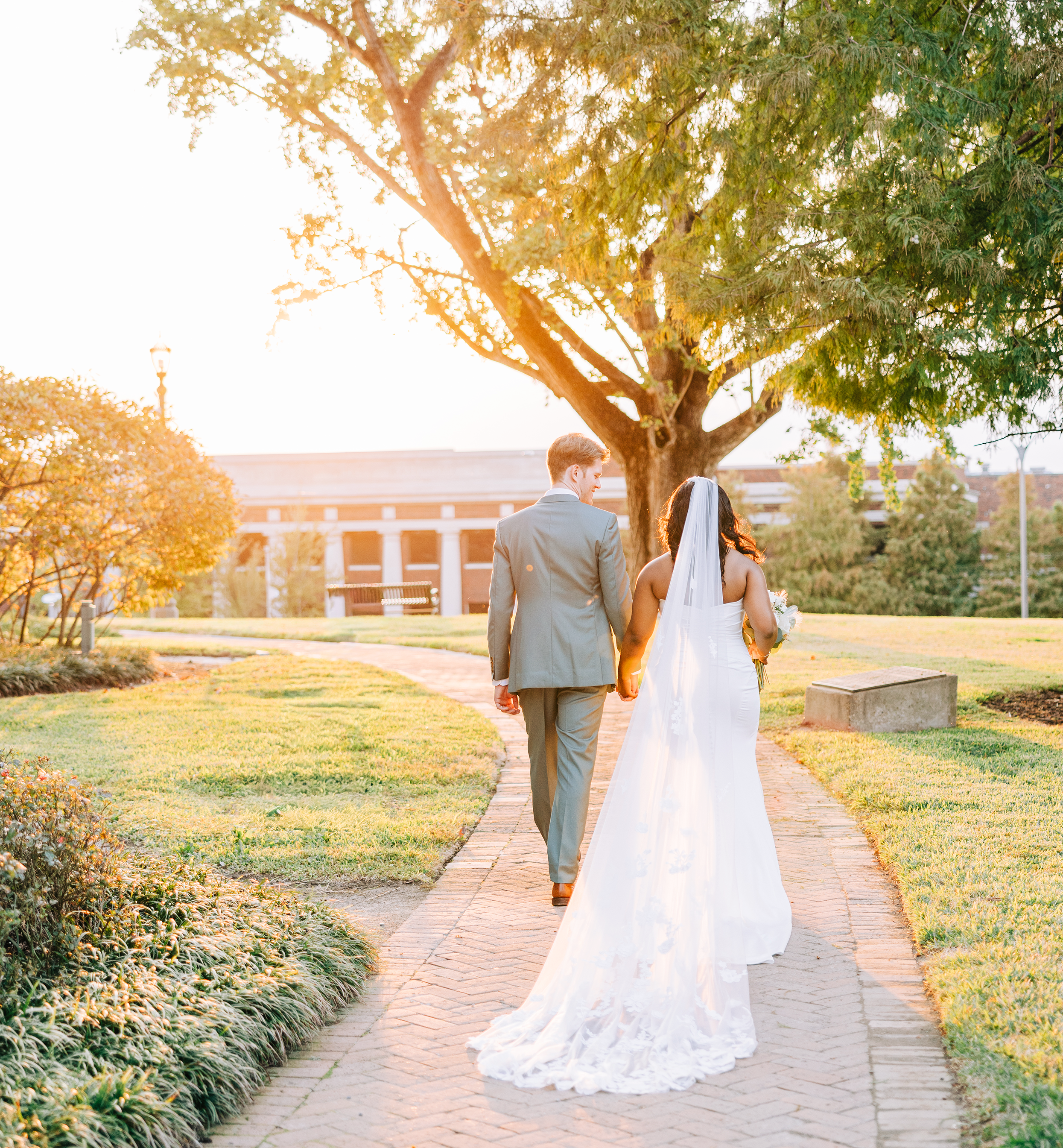
Sarah Shaw is a Baton Rouge photographer specializing in weddings, families, and seniors — drawn to natural light, genuine connection, and the quiet in-between moments that mean the most.